

What to Know About Estate Taxes and Legal Trusts: Key Insights for Effective Estate Planning

What to Know About Estate Taxes and Legal Trusts: Key Insights for Effective Estate Planning

Financial
Estate taxes and legal trusts are critical components of financial planning that everyone should understand. Estate taxes can significantly affect how much wealth is passed on to heirs, and legal trusts provide a means to control how and when assets are distributed. Knowing the basics of these topics can help individuals make informed decisions that protect their assets and ensure their wishes are honored. Many people might not realize that estate tax regulations can vary by state, adding complexity to estate planning. Trusts can serve multiple purposes, from minimizing potential estate taxes to providing specific directives for asset distribution. Understanding these nuances empowers individuals to tailor their estate plans effectively. Navigating estate taxes and legal trusts can seem daunting, but being informed is essential. This knowledge not only aids in…
Read More
How to Avoid Legal Trouble with Side Hustles: Essential Tips for Compliance and Success

How to Avoid Legal Trouble with Side Hustles: Essential Tips for Compliance and Success

Financial, Legal Matters
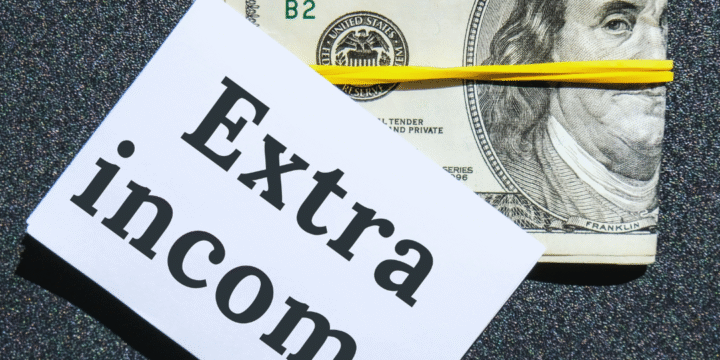
With the rise of the gig economy, many individuals are exploring side hustles to generate extra income. While these opportunities can be financially rewarding, they also come with potential legal pitfalls. To avoid legal trouble with side hustles, individuals must clearly understand their local regulations and ensure compliance with tax obligations. Engaging in a side hustle without adequate knowledge can lead to fines or even legal action. Simple steps such as researching business licenses, understanding zoning laws, and keeping detailed records can significantly minimize risks. A proactive approach not only protects financial gains but also allows individuals to enjoy their side endeavors without stress. Moreover, it is essential to recognize how different side hustles may vary in legal requirements. From freelancing to selling products online, each venture may necessitate unique…
Read More

Exploring the Different Types of Bill of Sale and When to Use Them

Financial, Legal Matters
In the legal realm, the bill of sale stands out as an indispensable written proof of a sale or ownership transition. A bill of sale serves as concrete proof of the agreement reached between the parties involved by outlining the important details such as the purchase price, description of the item or property, any warranties or guarantees, and the date of the transaction. Having a bill of sale is incredibly useful in various situations, like when you are purchasing a vehicle, equipment, or personal items. But it's not just for small stuff. Even when making significant investments, such as buying land or property through agencies like Finlay Brewer (Click here to learn more about Finlay Brewer if you are aiming to buy one), getting a bill of sale is necessary.…
Read More
Do You Really Need a CFO?

Do You Really Need a CFO?

Financial, General Legal
Business owners and managers are often faced with the question, "Do you really need a CFO?" The answer is always a resounding yes. A CFO is responsible for managing the business's finances, providing advise to company management on financial decisions, and overseeing the entire business's fiscal operation. The CFO also serves as an interface between company management and investors or lenders. A CFO can be employed by a company in addition to other executive positions. However, sometimes they are found as part of the overall leadership team for smaller companies with fewer resources to devote to finance management. What is a CFO? A CFO is a financial officer who deals with the financial aspects of a company or person. They oversee the day-to-day management of accounting, budgeting, and tax issues.…
Read More
What Comes Next for Small Businesses and PPP?

What Comes Next for Small Businesses and PPP?

Financial, General Legal
After the United States Small Business Administration (SBA) invested in a PPP program, there has been an increased interest in this type of program. In this paper, I will analyze the evolution of PPP, its benefits and drawbacks, and what it can potentially look like in the future. The United States Small Business Administration (SBA) developed a new loan program called Project Finance for private companies in order to provide them with lower interest rates. This form of private lending focuses on value creation rather than risk reduction and is sometimes referred to as Commercial Paper 3.0. With the rise of online lending platforms, PPP loans have made a huge leap forward. Not only are these more accessible to borrowers, but they also offer many benefits such as lower interest…
Read More